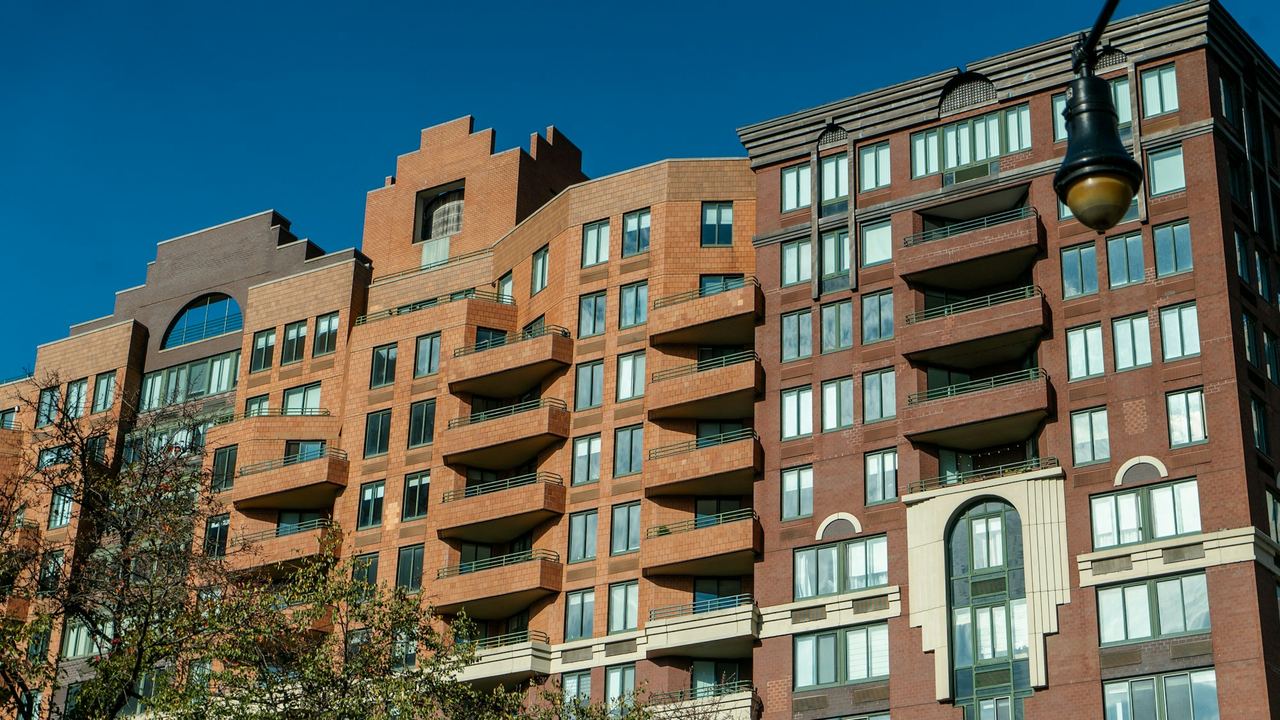
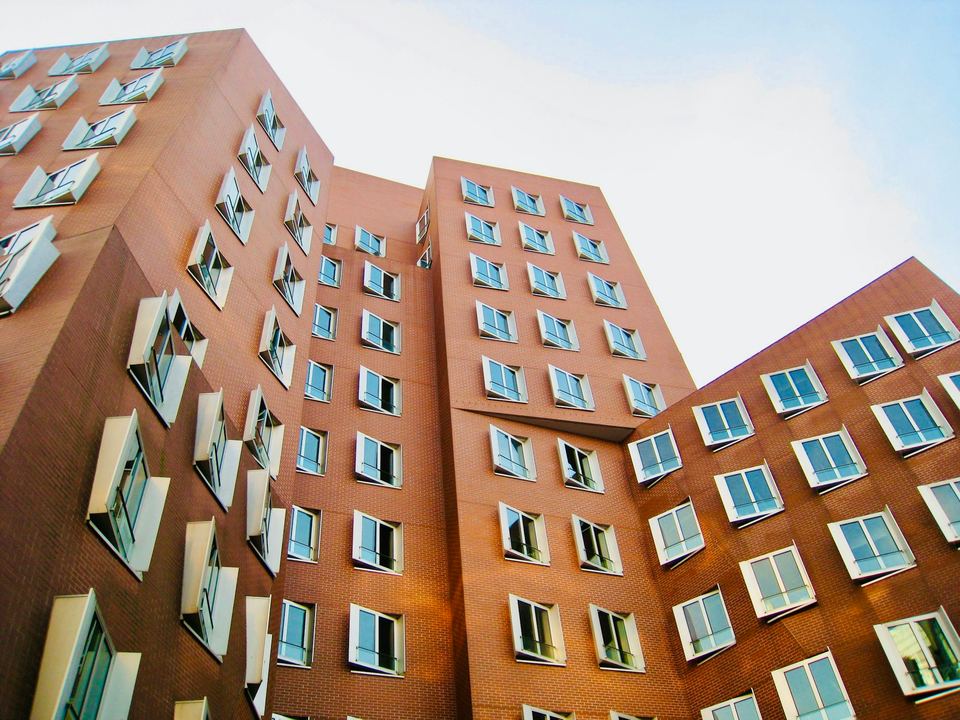
EIFS facade repair
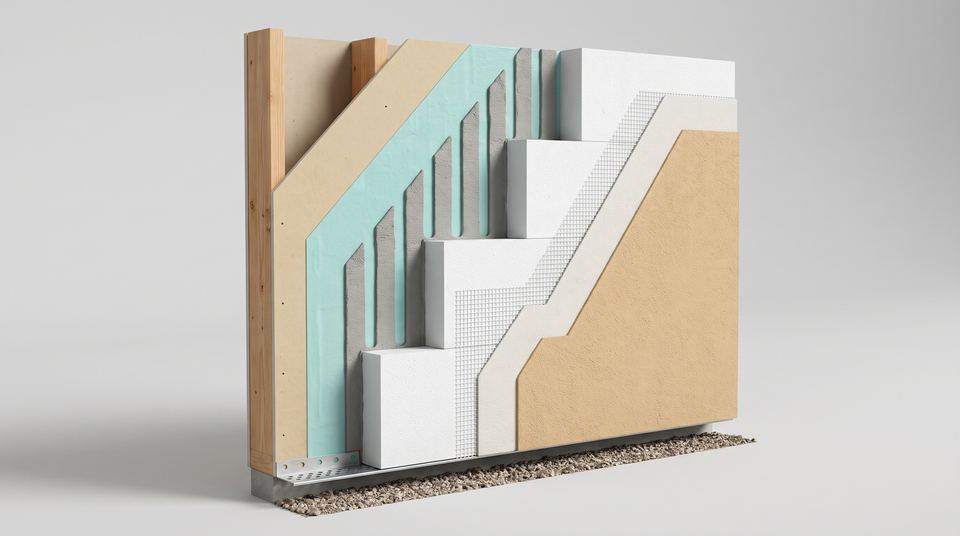
Wet foam cutouts, substrate checks, corner mesh reinforcement, drip flashings and matched acrylic finishes.
Manhattan · Brooklyn · Queens · All Five Boroughs
We cut out wet or cracked EIFS sections, replace failed window and expansion-joint sealants, and recoat weathered elevations on occupied apartment buildings, co-ops, condos and mixed-use properties.
Book spring work now. Winter assessments and estimates available.
Photo: Stock photo
Focused exterior envelope work that stops water entry at joints and transitions and leaves weathered elevations uniform.
Wet foam cutouts, substrate checks, corner mesh reinforcement, drip flashings and matched acrylic finishes.
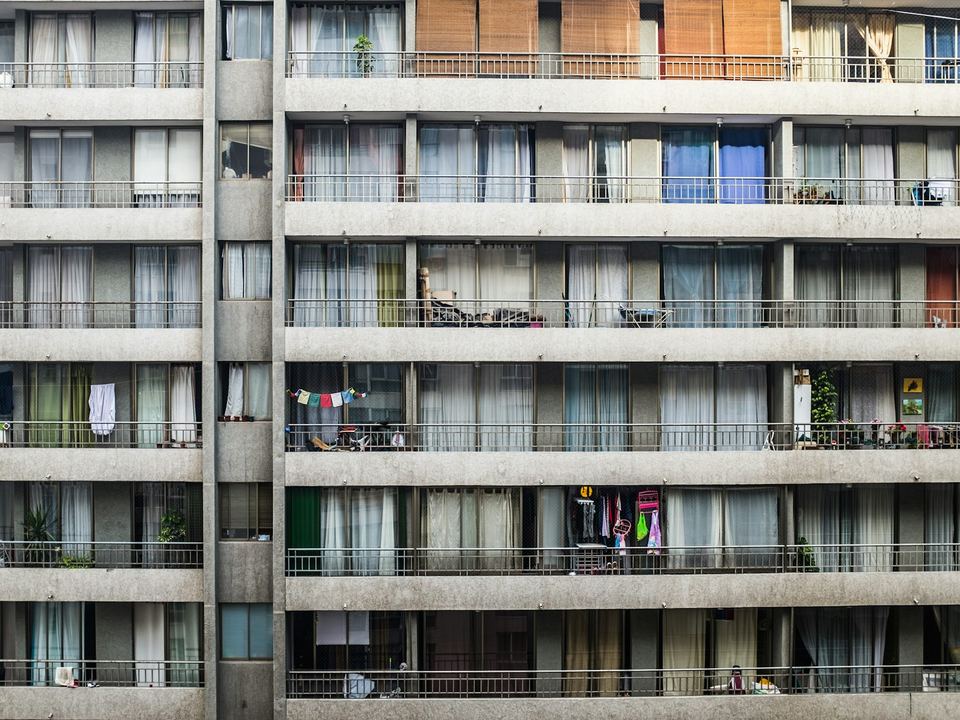
Low-pressure facade washing, crack repair and breathable acrylic or elastomeric coatings applied drop by drop.
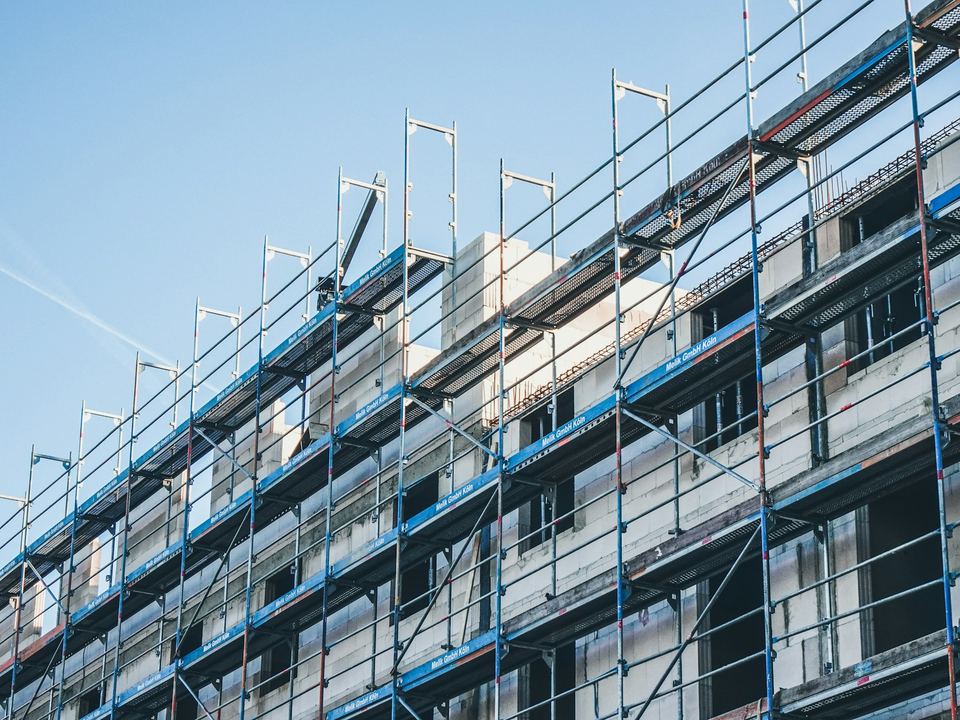
Perimeter window caulking, PTAC sleeves and expansion joints cut out and resealed to the reinforced base coat.
Common failure points on New York City apartment, co-op, condo and mixed-use EIFS elevations, what causes them, and how they are corrected.
Pick one or more above.
Hairline or open fractures radiating from the corners of rough openings.
Discolored aprons or walls that flex inward when pressed below windows and air-conditioner sleeves.
Old sealant pulling clean off the EIFS return or tearing textured finish away with it.
Bubbles or hollow pockets where the outer coat is separating from the wall.
Punctures along retail fronts, trash rooms, courtyards and service entries.
Faded color, urban grime and mismatched old patches on an otherwise dry, solid facade.
Text 3–5 daytime photos to (929) 209-3122 or upload them with our form, noting the cross streets and story height.
An estimator reviews the wall condition and access geometry and replies Monday through Friday with clear initial feedback.
We meet your super, manager or engineer on site, check transitions and probe suspect wet areas before locking in scope boundaries.
You receive a written proposal broken out by elevation or drop, plus insurance certificates and product data submittals.
Our crew completes the repairs, sealant work or recoating in dry weather around 40 °F and rising and leaves sidewalks and courtyards clean.
Across Brooklyn, Queens and Manhattan, many mid-rise apartment buildings, condominiums and mixed-use properties erected since the late 1990s carry exterior insulation and finish systems on street fronts, rear courtyards, setbacks and exposed lot-line walls. Foam-board cladding cuts thermal bridging and keeps wall weight low on steel-stud framing, yet its thin reinforced lamina leaves little margin when water gets behind the surface.
On multi-story city buildings, leaks almost always start at transitions rather than in the middle of a flat panel:
Fixing an exterior elevation with residents living right behind the wall takes disciplined planning before anyone opens the foam. We work directly with property managers and co-op or condo boards, building owners, and general contractors to stage EIFS facade repairs, full-elevation recoating and window or joint sealant replacement drop by drop.
Our own crews erect pipe scaffold on courtyards and low elevations, work from rented or owner-furnished lifts where street or yard geometry permits, and run multi-story drops from suspended swing stages, coordinating permits, sidewalk protection and rigging requirements with the owner's team. When a building's architect or engineer has already written a repair scope, we price and build to their details.
NYC EIFS is operated by The Dom Construction Group LLC, an Albany-based exterior contractor whose crews travel to New York City for scheduled facade work. Before the company relocated to Albany, our field team spent years installing and repairing EIFS and stucco on tall city buildings from swing stages and pipe scaffold. Homeowners with EIFS houses in Queens, Brooklyn, Staten Island and the Bronx get the same clear written scope and photo documentation. Read how our company works or see the boroughs we cover.
AI-generated illustration
Share your name, phone number, building address or neighborhood, and up to five photos of the elevation.
Lightly tapping the wall with your knuckles is the quickest check. EIFS has expanded polystyrene foam behind a thin mesh-reinforced base coat, so it sounds hollow and feels slightly warm and resilient. Traditional portland-cement stucco is roughly three-quarters of an inch of dense mortar over metal lath or masonry, so it feels cold and sounds solid like stone. On mid-rise New York City buildings built since the 1990s, upper courtyard walls and spandrels are frequently EIFS.
No. We are an exterior repair contractor, not a licensed Qualified Exterior Wall Inspector (QEWI), professional engineer, or registered architect, and we do not file facade inspection reports. When a building's own engineer or architect has already inspected the elevations and issued repair drawings or itemized scope notes, our crews price and perform the EIFS cutouts, base-coat reinforcement, flashing updates, sealant replacement, and recoating called for in those documents.
Yes. Exterior EIFS repairs, joint caulking, and recoating happen from the outside of the wall using pipe scaffold, lifts, or suspended swing stages. Residents remain in their apartments throughout the job. Crews coordinate with the superintendent or managing agent so noisy cutting happens only during permitted weekday daytime hours, apartment windows on active drops are masked only while work is underway there, and building entrances and courtyard paths stay clear.
Acrylic base coats, primers, and textured finishes require ambient and wall surface temperatures around 40 °F and rising, with dry conditions and no freezing temperatures for at least 24 hours after application. Because of that curing rule, finish and EIFS recoating work runs from spring into late fall unless an area is enclosed and heated. Site visits, probing, written scopes, and temporary weatherproofing against active leaks take place all year.
Yes. While much of our city schedule involves apartment buildings, co-ops, condos, and mixed-use facades in Manhattan, Brooklyn, and Queens, our crews also repair and recoat one- to three-family EIFS houses across Queens, Brooklyn, Staten Island, and the Bronx. Every residential job receives a clear written scope with probe findings and repair boundaries, adhering to New York General Business Law §771 requirements for written home improvement contracts.
Focused on Manhattan, Brooklyn and Queens apartment and mixed-use facades, plus properties in the Bronx and Staten Island.
Nearby Westchester and Nassau buildings by arrangement
Have a stained or cracked elevation? Text us photos.
Book spring work now. Winter assessments and estimates available.